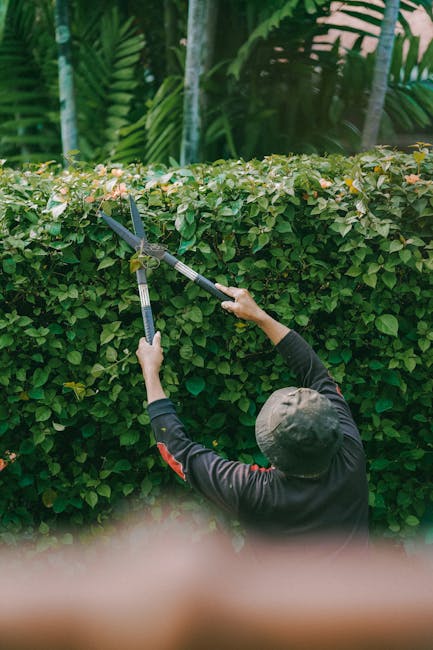
Common mistakes when hiring gardeners in Bow E3: what to avoid before you book
Hiring a gardener should make your life easier, not turn into a string of awkward texts, patchy work, and a garden that somehow looks worse than before. Yet that happens more often than people think, especially when homeowners in Bow E3 rush the decision or compare quotes without looking closely at what is actually included. The common mistakes when hiring gardeners in Bow E3 are usually simple, but the consequences can be frustrating: missed visits, poor workmanship, weak communication, and unexpected extras on the invoice.
If you want a tidy lawn, healthier borders, and a service you can trust, the details matter. This guide breaks down the most common errors people make, how to avoid them, and what a sensible hiring process looks like in a busy East London setting where gardens vary from compact courtyards to larger family plots.
Table of Contents
- Why common hiring mistakes matter in Bow E3
- How hiring a gardener should work
- Key benefits of hiring the right gardener
- Who this is for and when it makes sense
- Step-by-step guidance for a better hire
- Expert tips for better results
- Common mistakes to avoid
- Tools, resources and recommendations
- Law, compliance, standards and best practice
- Options and comparison table
- Case study: a realistic Bow E3 example
- Practical checklist before you book
- Conclusion
- Frequently asked questions
Why common hiring mistakes matter in Bow E3
In a place like Bow E3, gardens tend to be very lived-in spaces. Some are small but heavily used; others have hedges, tired lawns, overgrown corners, or decking that needs periodic attention. The wrong gardener may still sound confident on the phone, but confidence and capability are not the same thing. That is the first trap.
The biggest issue is that garden work is often underestimated. A quick mow might be straightforward, but garden maintenance can involve pruning, hedge trimming, clearance, waste removal, edging, soft landscaping, or even coordination with other trades. If a gardener is not set up for the real job, you can end up with half-finished work or repeated visits to fix avoidable mistakes. Not ideal. Not cheap either.
It also matters because gardens change over time. A one-off tidy-up before a party is different from ongoing maintenance. If you hire on price alone and do not define the job properly, the service you receive may not match what you actually need. That mismatch is where most headaches start.
Expert summary: Most problems come from vague briefings, rushed comparisons, and weak checks on experience, insurance, and scope. Clear expectations beat guesswork every time.
For homeowners who care about reliability, it helps to think beyond the first quote. A good hire is about fit, not just cost. That applies whether you need garden maintenance, regular lawn mowing, or a full seasonal tidy with garden clearance.
How hiring a gardener should work
At its best, the process is simple. You explain what the garden needs, the gardener assesses the work, a clear quote follows, and the agreed tasks are completed to a reasonable standard and within the agreed timeframe. Straightforward, right? In practice, it only stays straightforward when both sides are specific.
A professional gardener should usually be able to tell you what they will do, what they will not do, what materials or equipment they need, and whether any work is better suited to a specialist service. For example, hedge trimming is not the same as tree work, and lawn care is not the same as landscape redesign. If someone blurts out "we can do everything" without asking questions, that is not always a good sign.
Some jobs may need more than basic upkeep. If your outdoor space includes raised beds, paths, timber features, or uneven ground, a broader approach may be needed, including landscape gardening or even help from landscaping services. And if hedges are blocking light or growing into shared spaces, hedge trimming should be discussed clearly before work starts.
A sensible hire process usually includes:
- Defining the garden problem or maintenance need.
- Listing the actual tasks, not just saying "tidy the garden".
- Asking about experience with similar properties.
- Checking how waste, access, and timing will be handled.
- Confirming the quote and payment terms in writing.
That last part is boring, yes. But boring is good when it means fewer surprises later.
Key benefits and practical advantages
Getting the hire right saves more than money. It saves time, avoids rework, and usually leaves you with a healthier garden. If you have ever watched a rushed cut turn a neat lawn into a scalped mess, you will know exactly what I mean. Gardens can look fine from a distance and still be badly handled up close.
Here are the main advantages of choosing carefully:
- Better results: The right gardener matches tools, timing, and technique to the job.
- Fewer repeat visits: Clear scoping reduces the chance of missed areas or unfinished work.
- Lower stress: Good communication means fewer awkward back-and-forths.
- Safer work: Proper handling of tools, waste, and climbing or cutting tasks reduces avoidable risk.
- Better value: A realistic quote with a clear scope often beats a cheap quote that grows later.
There is also a quieter benefit: peace of mind. Knowing the person tending your garden understands the space, the access, and the outcome you want makes a big difference. That matters whether you need regular upkeep or a one-off refresh before a summer gathering or a house move.
If you are comparing providers, it can help to review a business's wider approach through its services overview, then check practical details such as pricing and quotes and insurance and safety. A little homework now can save a lot of hassle later.
Who this is for and when it makes sense
This advice is for anyone in Bow E3 hiring a gardener for a home, rental property, or small commercial outdoor space. It is especially useful if you are:
- new to the area and do not yet have a trusted regular gardener
- dealing with an overgrown garden after a busy season
- preparing a property for sale or tenancy
- looking for recurring maintenance rather than a one-off tidy
- managing a garden that includes hedges, trees, decking, or mixed planting
It makes sense to be extra careful if the garden has any of the following:
- limited access through the house or side passage
- shared boundaries with neighbours
- heavy waste or green debris that needs removal
- features that require more specialist handling, like tree lopping or timber surfaces
In those cases, a gardener who only does light mowing may not be the right fit. A better fit may involve a combination of tree lopping and removal, decking services, or simply a more structured maintenance plan. The job should shape the hire, not the other way round.
Step-by-step guidance
Here is a practical way to avoid the most common errors when hiring gardeners in Bow E3.
1. Be specific about the work
Do not just say "the garden needs a tidy". Say what is visible: long grass, weeds in paving, shrubs touching fences, dead leaves, a patchy lawn, or clutter that needs clearing. If you can, walk the space and note the problem areas. It sounds simple because it is.
2. Decide whether it is a one-off or ongoing job
Some gardens need a seasonal clear-up. Others need regular care. Mixing the two creates confusion. A recurring service may be better for lawns and hedges, while a one-off visit suits a larger reset after months of neglect. Truth be told, many people ask for "just a quick visit" when the garden really needs a proper plan.
3. Ask what is included in the quote
Ask whether the quote covers labour, waste removal, equipment, travel time, and follow-up visits. If the answer is vague, get it clarified before accepting. A good quote should leave very little to interpretation.
4. Check relevant experience
A gardener may be excellent with borders and turf but not so skilled at clearance work or shaping hedges. Ask about similar jobs. Not in a suspicious way, just in a practical one. "Have you handled gardens like this before?" is a fair question.
5. Confirm access and timing
Bow properties can be tight for parking, tools, or waste bags. Mention access details early so the gardener knows whether they can bring the right equipment and how long the job may take. A missed detail here can throw the whole day off.
6. Put the agreement in writing
You do not need a thick contract for every small job, but you do need something clear: date, scope, price, and any special conditions. Written confirmation reduces misunderstandings. It is not about being formal for the sake of it; it is about avoiding memory games later.
Expert tips for better results
After plenty of real-world garden jobs, a few patterns become obvious. The people happiest with the result are rarely the ones who asked the least. They are the ones who asked the right things.
- Use photos before the visit. A few clear images of the worst areas help the gardener estimate time and effort more accurately.
- Set outcome expectations. Say whether you want a "neat and usable" garden or a "near-showroom" finish. Those are not the same thing.
- Talk about waste early. Green waste can pile up fast, and it needs a plan. That is especially true after hedge cutting or clearance work.
- Ask what tools they bring. Good equipment can make the difference between a tidy result and a frustrating half-job.
- Match the service to the season. Spring growth, summer maintenance, and autumn leaf fall all create different workloads. One routine does not fit every month.
There is a little art to this, honestly. A good gardener will not be offended by sensible questions. If anything, they usually appreciate them, because they make the job easier to deliver properly.
And if your garden includes regular upkeep plus a few bigger tasks each year, it may be worth combining services rather than booking everything separately. That can often give a more consistent finish, especially when paired with ongoing garden maintenance and periodic garden clearance.
Common mistakes to avoid
This is the heart of the matter. Most poor hiring decisions fall into a handful of familiar traps.
Choosing the cheapest quote without asking why it is cheap
Low price can be perfectly legitimate, but it can also mean less time on site, less experience, or hidden extras later. The problem is not cheap pricing itself. The problem is choosing cheap without understanding the scope.
Not checking insurance or safety practices
If someone is using sharp tools, ladders, or machinery, you want to know they take safety seriously. That does not need to become a dramatic interview, but it should be discussed. A trustworthy provider should be able to speak plainly about health and safety policy and insurance and safety. If they dodge the question, that is a red flag.
Assuming all gardeners do the same kind of work
They do not. Some focus on routine mowing, some on planting and design, and others on clearance or hedge work. If you need one type of service but hire for another, disappointment is almost guaranteed. This is where a clear services overview can help you understand fit before you book.
Failing to describe access and site conditions
Narrow side paths, locked gates, steep steps, shared alleys, or a lack of on-street parking can all affect the job. What looks like a quick morning task can become an awkward, slow one if access is not discussed. Give the details early. Saves everyone a headache.
Leaving waste removal unresolved
Many garden jobs generate more waste than people expect. Bags of cuttings, branches, soil, and old growth need somewhere to go. If this is not agreed in advance, the result can be a pile of green waste sitting where your neat border should be.
Expecting a full garden transformation from a basic tidy-up
A tidy-up is not the same as a redesign. If the beds are exhausted, the lawn is failing, or the layout no longer works, you may need more than routine maintenance. That is the point where landscape gardening or wider landscaping support becomes relevant.
Ignoring communication style
If replies are slow before you book, they may not become magically faster after. A bit blunt, maybe, but usually true. Good communication at the start often predicts a smoother job later.
Tools, resources and recommendations
You do not need a full toolbox to hire well. What you need is a few simple resources and habits that keep the process clear.
- Photos of the garden: Take a few wide shots and a couple of close-up photos of problem areas.
- A short task list: Write down what matters most: mowing, hedge trimming, weeding, cutting back, waste removal, or soil improvement.
- A calendar note: Record when work should happen and whether it is one-off or recurring.
- Budget range: Know your rough ceiling before you ask for a quote.
- A questions list: Ask about timing, equipment, waste, payment, and access.
If you are comparing services, the most useful pages are usually the ones that explain scope and commercial details. For example, it is sensible to check pricing and quotes, review payment and security, and read a provider's wider policies if you want to understand how they work. The small-print stuff is not glamorous, but it does say a lot.
For environmentally minded homeowners, it can also be reassuring to understand how cuttings and waste are handled. A proper recycling and sustainability approach may not be the flashiest part of the service, but it is often one of the most practical.
Law, compliance, standards and best practice
For most customers, the main concern is not legal theory, it is whether the gardener works safely and sensibly. Still, a few standards and norms are worth bearing in mind in the UK.
First, any tradesperson handling tools, ladders, vehicles, or heavy waste should follow basic safety practices. That includes safe use of equipment, sensible handling of waste, and clear awareness of hazards such as slippery surfaces, uneven ground, or overhanging branches. If you are hiring someone to carry out tree-related work, it is wise to be especially careful and make sure the job is suitable for that person's skill set. Some work is better left to specialists.
Second, if the gardener is working on your property, insurance matters. Public liability insurance is commonly expected in the trade, although the exact cover should be confirmed directly with the provider. Do not assume; ask. It is one of those questions that feels awkward for about three seconds and then saves you a lot of trouble.
Third, clear terms and conditions are best practice. They should explain what happens if weather affects the booking, whether waste removal is included, how cancellations work, and what the payment expectations are. You can also review a provider's terms and conditions and complaints procedure to see whether they handle problems in a fair, structured way.
None of this is about being difficult. It is about being sensible. A professional gardener should understand that.
Options, methods, or comparison table
When hiring help for a Bow E3 garden, the main decision is often not "gardener or no gardener?" It is which type of help suits the job best.
| Option | Best for | Typical strengths | Watch out for |
|---|---|---|---|
| One-off tidy-up | Neglected gardens, seasonal reset, pre-sale prep | Fast improvement, clears clutter, restores usability | May not solve ongoing growth or design issues |
| Regular maintenance | Lawns, borders, hedges, ongoing upkeep | Consistent look, prevents overgrowth, easier to budget | Needs reliable scheduling and clear task lists |
| Clearance-focused work | Overgrown spaces, post-tenant gardens, abandoned plots | Big visual change, removes bulky waste, opens up the space | Not the same as fine finishing or planting care |
| Landscaping or redesign | Poor layout, tired planting, broken flow, hard-to-use gardens | Longer-term improvement, better structure, better use of space | Higher planning needs and usually a broader budget |
If the job is mostly about upkeep, services like lawn mowing and hedge trimming may be enough. If the garden has got away from you, a clearance service may be the more realistic starting point. No shame in that, by the way. Gardens can spiral. Life happens.
Case study or real-world example
Here is a realistic example from the kind of job many Bow E3 households face.
A homeowner books a gardener after noticing the back garden has become untidy by late summer. The lawn is long, the hedge has softened into the path, weeds are poking through paving, and the shed area is crowded with dead leaves and broken cuttings. They ask for "a general tidy" and accept the lowest quote without asking what is included.
On the day, the gardener arrives with limited time, does a basic cut, trims only the obvious hedge sections, and leaves the bulkier waste because disposal was never discussed. The homeowner feels the job was rushed, while the gardener feels the brief was too vague. Classic mismatch.
Now compare that with a better approach. The homeowner sends photos, lists the priorities, asks whether waste removal is included, and confirms the garden needs a one-off reset with some follow-up maintenance. The result is usually better, more predictable, and less frustrating for everyone. It is not magic. Just clearer communication.
In the second version, the gardener can also advise whether the space should move from clearance into regular upkeep, or whether parts of the garden would benefit from landscaping support. That small shift in planning often makes the whole garden feel calmer. You can almost hear the difference, if that makes sense.
Practical checklist
Before you hire a gardener in Bow E3, run through this simple checklist:
- Have I described the garden work clearly?
- Do I know whether this is one-off, seasonal, or ongoing?
- Have I asked what is included in the quote?
- Have I checked experience with similar jobs?
- Do I know whether waste removal is included?
- Have I confirmed access details, parking, and entry arrangements?
- Have I asked about insurance and safety?
- Do I understand the payment terms?
- Have I got written confirmation of the scope and price?
- Have I checked whether I need broader services such as clearance, landscaping, or tree work?
If you can tick most of those off, you are already ahead of many people. Seriously. Most bad hiring decisions happen because those basics were skipped.
Conclusion
The common mistakes when hiring gardeners in Bow E3 are rarely dramatic on their own. A vague brief here, a rushed quote there, a missing question about waste or insurance, and suddenly the job is harder, messier, and more expensive than it needed to be. The good news is that each of those mistakes is avoidable.
Focus on clarity, not guesswork. Match the gardener to the job, not just the price. And remember that a neat garden starts with a clear conversation. That is usually where the real difference is made.
If you are ready to compare options for ongoing upkeep, seasonal clearing, or a more involved outdoor project, take a moment to review the service information and ask for a quote that reflects your actual garden, not a generic one.
Get a free quote today and see how much you can save.
Frequently Asked Questions
What is the biggest mistake people make when hiring gardeners in Bow E3?
The biggest mistake is usually hiring on price alone without defining the job properly. A cheap quote can look attractive, but if it does not include waste removal, access time, or the right level of work, the final result may be poor value.
Should I choose a gardener who offers every service?
Not automatically. It is better to choose someone whose experience matches your specific job. A gardener may be excellent at maintenance but less suited to clearance or larger landscaping tasks. Fit matters more than broad promises.
How do I know if a quote is fair?
A fair quote is one that clearly explains what is included, what is excluded, and what conditions might change the price. If the quote is vague or seems too good to be true, ask follow-up questions before accepting it.
Do I need insurance when hiring a gardener?
You do not need to buy insurance yourself, but the gardener should normally have appropriate cover for the work they are doing. It is sensible to ask about this directly, especially if the job involves tools, ladders, or heavier garden clearance.
What should I ask before booking garden maintenance?
Ask what tasks are included, how often visits will happen, whether waste removal is part of the price, and how access will be handled. If you want a regular schedule, check whether the gardener can commit to it consistently.
Is it better to book a one-off tidy or regular visits?
It depends on the garden. A one-off tidy works well if the space just needs a reset. Regular visits are better for lawns, hedges, and borders that grow quickly. If the garden is continually getting away from you, regular maintenance is often the smarter choice.
What if my garden has overgrown hedges or trees?
If the growth is significant, you may need more than routine garden care. Hedge trimming or even tree-related work may be required, and some jobs are better handled by a provider with the right equipment and safety approach.
How can I avoid misunderstandings with a gardener?
Be specific about the tasks, the finish you want, and the practical details such as access and waste. Written confirmation helps a lot. A short message or email can prevent a surprising amount of confusion later.
Should I expect the gardener to remove all waste?
Not always unless it has been agreed. Some gardeners include waste removal, others charge separately, and some may leave green waste on-site for you to dispose of. Always confirm this before the work begins.
When is landscaping better than simple garden maintenance?
When the issue is more than overgrowth. If the garden has a poor layout, tired planting, damaged features, or awkward flow, landscaping or landscape gardening may be a better long-term solution than repeated tidy-ups.
How often should I review the service I am getting?
After the first visit is a good time. Check whether the work matched the quote, whether communication was clear, and whether the result suits your expectations. If something feels off, it is better to raise it early than let it drift.
What is the safest way to choose a gardener in Bow E3?
The safest approach is to compare more than one option, ask practical questions, check insurance and safety, and make sure the scope is clear in writing. That combination usually leads to the least regret later. And that, honestly, is what most people want.