Lawn Mowing in Bow

Lawn mowing in Bow should do more than keep grass short. It should leave a neat, even finish that suits the shape of the garden, the season and the way the space is used. We focus on practical mowing work for domestic and light commercial outdoor areas, helping lawns stay presentable, healthy-looking and manageable through the growing season.
Our service is built around straightforward lawn care, from regular cutting to one-off refreshes where the grass has grown too long. We can also support bordering, tidy edging and sensible grass management as part of a clear, ordered visit. If you need a reliable mowing schedule or a one-time cut, ask for a quotation and we will discuss the right approach for the lawn you have.
Bow gardens often need a tidy, adaptable service because lawns can vary widely in size, access and condition. Some are simple front plots that only need a quick finish, while others include awkward runs around paths, fences, sheds or planted borders. We work carefully around those features so the cut looks deliberate rather than rushed. If you are planning regular upkeep, consistent mowing can be the easiest way to keep growth under control and the space usable.
Regular mowing and seasonal grass care
Regular mowing is the core of our work, and it is usually the best way to keep a lawn in good shape through the year. Cutting frequency depends on growth rate, weather and how the garden is used, so a sensible plan is often better than an occasional heavy cut. We can help with a routine that maintains a neat appearance without taking too much off at once, which is important for the condition of the turf.
Where grass has grown longer between visits, the right method matters. Very long lawns may need staged reduction rather than a single aggressive pass, especially if the surface is uneven or damp. We look at the grass length, the layout and any sensitive edges before deciding how to approach the job. Good mowing practice is about producing a clean result while keeping the lawn workable for future maintenance.
What the mowing visit can include
Our mowing work can include more than running a mower across the centre of the grass. Depending on the area and finish required, useful tasks may include edging along borders, trimming around obstacles and leaving the lawn with a more defined outline. In many gardens, those finishing touches make the difference between a basic cut and a properly tidy result. We aim for a balanced finish that suits the garden rather than forcing the same method everywhere.
Garden maintenance around the lawn

Although the main service is lawn mowing, many customers also need light garden maintenance around the grass to keep the whole area looking organised. That can mean clearing the immediate mowing area before cutting, dealing with stray growth at the perimeter or keeping the lawn edge from disappearing into beds and paths. Used sensibly, these small tasks help the grass stand out and make later mowing simpler.
If you are comparing how often to mow, think about the lawn as part of the wider garden rather than as an isolated patch. A lawn surrounded by fast-growing borders, hedges or trees may need more regular attention to stay balanced. We can discuss the practical side of upkeep and how the grass sits alongside other garden features, so you can choose a service level that matches the space. For a straightforward start, send a request for a quotation.
When the garden contains both lawn and surrounding growth, it is often useful to think in layers: grass first, then edges, then any obvious intrusions from nearby planting. That approach keeps the work efficient and the finish consistent. It also makes it easier to maintain a simple routine over time, because each visit begins with the same priorities and ends with a clearly defined result.
Dealing with overgrown or neglected grass
Some lawns need more than routine mowing. If grass has been left too long, the work may involve careful reduction rather than a standard cut. Overgrown lawns can hide uneven ground, dropped debris or softer patches of turf, so the first task is to judge what the surface can safely take. A gradual approach is often the best way to avoid stressing the lawn or leaving an untidy finish.
Where growth is thick or patchy, we may need to plan the mowing in stages and adjust the cut according to the condition of the grass. This is especially relevant when a lawn has been wet, shaded or poorly maintained for some time. Rather than promising a one-size-fits-all result, we look at the actual condition of the turf and work in a way that produces the cleanest possible outcome within those limits.
- Routine mowing for lawns kept in reasonable condition
- Reduction of longer grass where a standard cut would be too severe
- Edge definition around borders, paths and similar features
- Practical advice on how often the lawn may need attention
Edging, borders and a sharper finish

Well-cut grass looks better when the edges are just as tidy as the main lawn. Edging helps define the boundary between lawn and surrounding areas, especially where paths, paving, beds or driveways meet the grass. Without that finishing step, even a neat cut can look incomplete. Our service therefore treats the margin of the lawn as an important part of the overall job, not an afterthought.
We can also help where the lawn meets planting beds or awkward corners, because those are the places that often make a garden look unfinished. A careful edge keeps the shape of the lawn readable and helps the mower work cleanly on future visits. Small details can make a surprisingly large difference, particularly in compact gardens where the eye picks up every uneven line and missed strip.
In some gardens, edging also supports practical maintenance by stopping grass from creeping over paths or being lost into beds. That does not mean every boundary should be cut back harshly; the right finish depends on the look you want and the condition of the garden. We aim for a controlled result that suits both the lawn and the wider space.
Choosing the right mowing frequency
The best mowing frequency depends on how quickly the grass grows, the time of year and the kind of finish you want to maintain. During active growth, lawns often benefit from more regular attention; when growth slows, the interval may be lengthened. The aim is to avoid cutting too much at once, because that can leave the lawn looking thin or stressed. A measured approach usually works better than an occasional drastic cut.
Some customers want a simple routine that keeps the grass neat without much thought, while others only need occasional visits for a particular event or to bring the garden back into order. Both approaches can be sensible if they match the condition of the lawn. If you are not sure what schedule suits the space, we can talk through the likely options and help you decide what feels realistic for the season.
For many gardens, the best plan is the one that stays easy to maintain. If the lawn is cut before it becomes overly long, the finish is usually cleaner and the work more straightforward. That can also reduce the need for heavier intervention later. Ask for a quotation if you want a clear view of what is involved for your lawn.
Service choices for different garden layouts

Not every lawn in Bow is laid out in the same way, so mowing needs to be flexible. Narrow side passages, split levels, sloping areas and gardens with multiple boundaries all affect how the work is carried out. We adapt the cut to the shape of the lawn and the practical access available, which helps the result look balanced rather than forced into a single pattern.
In gardens with more complex layouts, it is often useful to think about how the lawn connects to paths, seating areas and planted sections. Those features can change how the mowing is planned and where the finishing touches matter most. A careful approach helps the main grass area stay neat while also protecting the other parts of the garden that frame it.
When you request a quotation, it helps to describe the size of the lawn, any obvious access issues and whether the grass is in routine condition or needs a heavier cut. That gives a more realistic starting point for planning the work. You do not need to write a perfect survey; just a clear summary is usually enough to begin.
About Bow
Bow is an East London district in the London Borough of Tower Hamlets, located to the east of the City and close to the wider Lea Valley corridor. Its history is closely tied to the old settlement of Stratford-le-Bow and the long road route that later developed into the A11, giving the area a strong transport identity as well as a residential one. Bow Church and Bow Road remain familiar reference points, while the district also sits near the River Lea, Bow Back Rivers and the edge of the Olympic Park landscape. That position places Bow between older industrial patterns and newer regeneration, which is reflected in its mixed streetscape. Victorian and later terraced housing appears alongside estate blocks, newer developments and surviving local landmarks. The area has a distinctly urban feel, yet green spaces are still part of its character, including parks and canal-side routes that provide contrast with the denser built environment. Mile End Park lies nearby, while the Regent’s Canal and connected waterways contribute to the area’s network of walking and cycling routes. Bow is also associated with the historic Bow Bells tradition and with nearby markets, churches and community facilities that give the district a layered local identity. As a result, Bow combines old routeways, water infrastructure, housing history and modern city living in a compact part of east London.
Other garden services that support the lawn
Where a lawn sits within a broader outdoor area, adjoining services can help keep the space manageable. That may include hedge trimming, general garden clearance or landscape gardening where new planting, layout changes or wider tidying are needed. We keep the focus on what is actually useful to the garden rather than adding unnecessary extras. If a lawn is being overshadowed by nearby growth or cluttered by debris, the surrounding work may be just as important as the cut itself.
For some properties, a one-off tidy is enough to reset the space before regular mowing begins. In others, the lawn may be one part of a larger outdoor improvement plan. The key is to choose the right service level for the condition of the garden and the finish you want to see. If you would like the grass handled alongside broader outdoor work, we can help you think through the options in a practical way.
To get started, tell us what the lawn looks like now and how you would like it maintained. A brief description of the size, condition and layout is usually enough to begin the conversation. If the rest of the garden also needs attention, mention that too so the quotation can reflect the full scope of the work.
Planning a quotation for your lawn
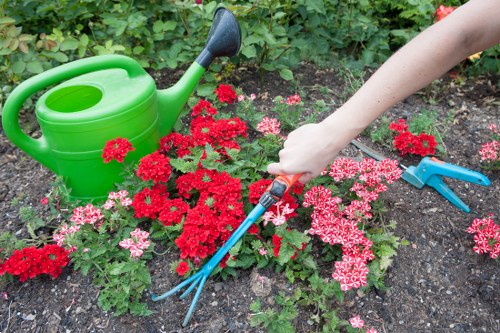
A quotation is easier to prepare when the main details are clear. The size of the lawn, the condition of the grass, whether the cut is routine or restorative, and any obstacles all affect the amount of work involved. Access also matters, because narrow routes, locked gates or split garden levels can change how the job is approached. A simple, honest description is usually the best place to start.
If the lawn has distinct sections, or if some parts need closer finishing than others, mention that when you enquire. That helps shape a quotation that reflects the work properly rather than assuming every patch of grass needs the same treatment. We keep the discussion practical and focused on the actual mowing requirements, so you can see what the service involves before deciding how to proceed.
Whether you want ongoing mowing or a one-off reset, our aim is to make the next step straightforward. Use the details you have, ask for a quotation and we will respond with a clear view of the lawn work needed. Request your quotation today and let us know how the garden is set out.