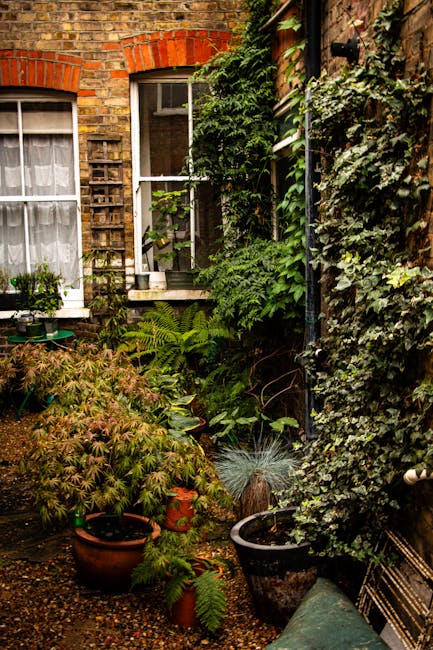
Small Garden Design and Gardeners for Devons Road Bow
If you are trying to make a compact outdoor space feel calm, green, and genuinely usable, small garden design and gardeners for Devons Road Bow is exactly the kind of help that can turn a cramped patch into something you enjoy every day. A small garden can be tricky. There is often not much sun, storage is awkward, and one wrong choice can make the whole space feel tighter than it already is. But with the right planning, a small garden can feel surprisingly generous.
That is the real appeal here: not just "making it look nice", but shaping a space that works in real life. Somewhere to sit with a cup of tea. Somewhere that does not look sad in February. Somewhere that feels tidy without needing constant effort. In a busy part of East London, that matters more than people realise. Truth be told, many of the best results come from small, thoughtful changes rather than huge landscaping jobs.
This guide covers how small garden design works in Bow, what gardeners usually do, what to ask for, common mistakes to avoid, and how to choose the right approach for your home. If you are still weighing up whether to redesign, tidy, replant, or call in help, you will find practical answers here.
Table of Contents
- Why Small Garden Design and Gardeners for Devons Road Bow Matters
- How Small Garden Design and Gardeners for Devons Road Bow Works
- Key Benefits and Practical Advantages
- Who This Is For and When It Makes Sense
- Step-by-Step Guidance
- Expert Tips for Better Results
- Common Mistakes to Avoid
- Tools, Resources and Recommendations
- Law, Compliance, Standards, or Best Practice
- Options, Methods, or Comparison Table
- Case Study or Real-World Example
- Practical Checklist
- Conclusion
- Frequently Asked Questions
Why Small Garden Design and Gardeners for Devons Road Bow Matters
Small gardens are often the hardest spaces to get right. Every square metre has to earn its keep, and there is very little room for clutter, awkward paths, or planting that grows out of control. In Devons Road and the wider Bow area, many homes have compact rear gardens, narrow side returns, terraces, or courtyard-style spaces. That makes smart design more than a luxury. It becomes the difference between a garden you avoid and a garden you actually use.
A small garden has to do several jobs at once. It may need to feel private, catch the light, handle children or pets, and still look good from inside the house. That is a lot to ask of one modest patch of soil or paving. A skilled gardener or garden designer understands how to balance those needs without making the space feel overworked.
There is also a practical side. Small gardens can become messy fast. One season of neglected growth, a tired lawn, a heavy planter in the wrong spot, and suddenly the whole garden feels boxed in. Good design helps avoid that. It also makes maintenance more manageable, which is especially useful if you want a neat outdoor space but do not want to spend every weekend wrestling with it.
For many residents, this is less about grand landscaping and more about everyday comfort. A small seating area that gets evening sun. A few well-chosen shrubs that provide shape all year. Storage that does not dominate the view. It sounds simple, but getting those details right is what separates a rushed job from a space that quietly works.
If you are also looking at broader garden care or a longer-term refresh, services like garden maintenance and garden design can help you think beyond a one-off tidy-up. And if the space has become unruly, a careful first stage such as garden clearance can be the clean slate that makes everything else easier.
How Small Garden Design and Gardeners for Devons Road Bow Works
Small garden work usually starts with observation. Not the glamorous bit, to be fair, but the most useful. A good gardener will look at the light, the soil, drainage, boundaries, access points, and how you actually use the space. Is the garden shaded by neighbouring buildings? Does water sit in one corner after rain? Do you want room for planting, seating, or both? These answers shape the whole plan.
From there, the work normally falls into a few stages. Some gardens need a light refresh: pruning, weeding, lawn work, and replacing tired plants. Others need a more structured design approach: perhaps a new layout, better surfacing, raised beds, climbers, or vertical planting to create depth without taking up floor space. In a small garden, depth matters. You want the eye to move, not stop abruptly at a fence.
The best small-garden solutions usually combine function and softness. For example, a narrow space might use paving to define a seating area, then planters to blur edges and make the garden feel less rigid. A tiny courtyard might use containers, climbers, and a simple colour palette so the space feels calm rather than crowded. It does not need to be complicated. In fact, overcomplicating it is one of the quickest ways to make a small garden feel smaller.
Gardeners in Bow also tend to work with practical local conditions: compact access, shared boundaries, brick walls that reflect heat, and the reality of urban shade. Summer can be bright one minute and surprisingly windy the next. Winter often exposes every structural detail. Good design takes all that into account instead of fighting it.
When you want the result to stay neat over time, ongoing care matters as much as the initial design. A tidy layout is only half the job; the other half is keeping the planting in shape, clearing debris, and adjusting things as the garden grows. That is where services such as hedge cutting, lawn care, and tree surgery may come into the picture if the garden has mature features that need controlled, careful attention.
Key Benefits and Practical Advantages
A well-designed small garden gives you more than a prettier view. It changes how the space feels and how often you use it. That is the real gain.
- More usable space: Good layout makes the garden feel less cramped, even if the footprint stays the same.
- Lower maintenance: Simple planting schemes and sensible surfaces reduce the amount of constant tidying.
- Better year-round appearance: Evergreen structure, layered planting, and smart hard landscaping stop the garden looking bare in winter.
- Improved privacy: Screening, climbers, and boundary planting can soften overlooked spaces.
- More comfort: A small seating area in the right place can make the garden feel like an extra room.
- Higher confidence in upkeep: When a garden is laid out well, it is easier to maintain without feeling overwhelmed.
There is also a less obvious benefit: good design reduces hesitation. When a space is messy or badly arranged, people tend to avoid it. When it feels balanced and manageable, they step outside more often. Even ten minutes in the garden feels different if the layout is pleasant and the planting is not fighting you every time you open the back door.
That is particularly valuable in a London setting, where outdoor space can be limited and every bit of it should count. A small garden in Bow can become a quiet reset zone rather than a "job to do later". And honestly, that shift matters. It changes the whole relationship you have with the home.
Who This Is For and When It Makes Sense
This kind of service is ideal if your garden is small, awkwardly shaped, shaded, overlooked, or simply underused. It is also a good fit if you know what you want in principle but are not sure how to fit it into the space without making it feel busy.
It may be right for you if:
- you have a narrow rear garden or courtyard
- your current garden feels cluttered or hard to maintain
- you want a better-looking space without constant effort
- you need child-friendly or pet-friendly layout ideas
- you want to improve privacy from nearby properties
- you are preparing a property and want the outdoor space to look cared for
It also makes sense if you are not after a full redesign, just a more coherent plan. Sometimes the best result comes from small but targeted improvements: reducing visual clutter, changing planting layers, replacing a tired lawn, or introducing structure where the garden currently feels flat.
For landlords, homeowners, and busy families, a practical garden layout can be a relief. No one wants a garden that looks lovely for two weeks and then becomes impossible to maintain. The goal is usually steadier than that. Something neat, forgiving, and pleasant to live with.
Step-by-Step Guidance
If you are approaching a small garden from scratch, it helps to break the process into clear steps. The job feels much less daunting that way.
- Measure and observe the space. Note sun, shade, drainage, access, and any awkward corners.
- Decide what matters most. Seating, planting, storage, play space, privacy, or low maintenance? Pick the top priorities.
- Clear the clutter first. Remove dead growth, broken pots, unused furniture, and anything that blocks the flow of the garden.
- Sketch a simple layout. Even a rough plan helps you avoid random decisions later.
- Create structure. Use paths, edging, planters, or raised beds to define the space.
- Choose planting for the conditions. Match plants to light levels and soil rather than forcing favourites into unsuitable spots.
- Add one or two focal points. A bench, a specimen plant, a small tree, or a feature pot can anchor the design.
- Plan for maintenance. Leave access for pruning, watering, sweeping, and seasonal care.
A useful trick is to think in layers. Ground layer, middle layer, upper layer. If every plant is the same height, the garden can look flat and surprisingly awkward. But when you combine low planting, mid-height shrubs, and taller climbers or screens, the space gains depth without needing extra square metres. Small difference, big impact.
If you are unsure where to begin, start with the hard decisions first: what stays, what goes, and where you actually want to stand or sit. That alone can make the rest of the process feel more obvious.
Expert Tips for Better Results
Small gardens reward restraint. That is probably the most useful thing to remember. The temptation is to add lots of features because each one seems helpful on its own. But in a compact space, less can genuinely be more.
Choose a limited palette. Two or three main materials, and a controlled plant palette, often look better than mixing everything together. Repetition gives the eye somewhere to rest.
Use vertical space. Climbers, trellis, wall planters, and trained shrubs help you garden upward instead of outward. This is especially handy where floor space is scarce.
Keep pathways simple. In a small garden, winding routes can feel fussy. Straight or gently angled lines usually create a clearer sense of space.
Think about sightlines from the house. The view from the kitchen or living room matters as much as the view from outside. Sometimes the best focal point is the first thing you see when the door opens.
Use containers carefully. Pots are great, but too many can make a small garden feel busy. A few larger containers often work better than lots of tiny ones. Less faff too, which is nice.
Plan for seasonal change. A garden should not collapse visually in winter. Evergreens, bark texture, structural grasses, and evergreen climbers can keep it looking alive when flowers are sparse.
One thing experienced gardeners often notice: people underestimate scale. A bench that looks elegant in a showroom can feel huge in a tiny yard. A plant that seems modest in a pot can double in size far quicker than expected. A little caution at the planning stage saves a lot of frustration later.
For ongoing support, especially where the garden needs repeated care rather than a one-off tidy, it can help to look at grass cutting or broader property maintenance if the garden is part of a wider upkeep schedule. That sort of joined-up care often makes a real difference.
Common Mistakes to Avoid
Most small-garden problems come from trying to do too much. That sounds harsh, but it is true. The space is small; let it breathe.
- Overplanting: Filling every gap may feel efficient at first, but plants need room to grow and to be seen.
- Choosing the wrong scale: Tiny features in a tiny garden can sometimes look cluttered rather than refined.
- Ignoring maintenance: A design that only works if you prune every week is not really low maintenance.
- Poor drainage planning: In compact urban gardens, water issues can become obvious quickly.
- Using too many materials: Too many paving types, colours, and finishes can make the space feel chopped up.
- Forgetting winter interest: A garden that only works in June is missing half the year.
Another common issue is placing a single large object in the wrong place. A bulky storage box, oversized planter, or oversized table can dominate the whole space. It might be useful, yes, but if it blocks movement or sightlines, it becomes the first thing you resent. Not ideal.
And then there is the "I will sort that later" problem. In small gardens, later tends to arrive with extra weeds, more clutter, and fewer easy wins. Better to tackle structure early and keep the plan simple enough to maintain.
Tools, Resources and Recommendations
For small garden work, the best tools are usually the ones that help you stay precise rather than powerful. You do not need a van full of equipment to make a noticeable difference.
- Measuring tape or laser measure: Useful for checking widths, lengths, and the scale of furniture or planters.
- Basic hand tools: Secateurs, loppers, hand fork, trowel, and a sharp spade for planting and trimming.
- Wheelbarrow or garden bags: Handy for clear-outs and moving compost, soil, or debris.
- Good-quality compost: Especially important in containers, where nutrients are used up more quickly.
- Simple sketch plan: Even a rough drawing helps keep proportions sensible.
For many homeowners, the most valuable resource is not a gadget but a sensible sequence of jobs. Clear first. Measure second. Design third. Plant last. That order avoids one of the most common mistakes, which is buying plants before you know where they will go. Happens all the time, to be fair.
If your garden has mature shrubs, small trees, or hedging that needs careful reshaping, specialist help can save a lot of guesswork. That is where shrub removal or hedge cutting may be useful, especially when you need to reclaim light or open up the space without stripping away its character.
Law, Compliance, Standards, or Best Practice
For most small garden projects, the main concern is practical best practice rather than heavy regulation. That said, there are a few things worth keeping in mind. If work affects boundaries, shared access, or trees that may be protected, it is sensible to check before proceeding. If drainage, fencing, or larger structures are involved, you should also take care not to create avoidable problems for neighbours or the property itself.
If a garden is being redesigned as part of a larger property project, it is wise to work in line with standard UK expectations around safe workmanship, waste handling, and neighbourly good practice. None of that needs to be dramatic. It usually just means being careful, tidy, and realistic about what the site can handle.
For example, waste should be cleared properly, heavy materials should be moved safely, and anything close to walls, services, or shared boundaries should be treated with caution. If you are unsure whether a tree, hedge, or structure needs extra consideration, ask before cutting or removing it. Better a cautious conversation than a messy correction later.
In our experience, the simplest compliance-related mistake is assuming every garden task is straightforward. Some are. Some are not. A little care goes a long way, especially in tighter urban spaces where access and boundaries can be a bit tight.
Options, Methods, or Comparison Table
Not every small garden needs a full redesign. Sometimes the right choice is a light refresh. Other times it is worth starting again with a cleaner layout. The table below gives a practical comparison.
| Approach | Best For | Main Benefit | Possible Limitation |
|---|---|---|---|
| Garden tidy-up | Gardens that are generally sound but overgrown or messy | Quick visual improvement and easier maintenance | Does not solve poor layout |
| Partial redesign | Gardens with a good base but awkward zones | Better flow without a full rebuild | Some older features may remain compromised |
| Full small-garden design | Very cramped, underused, or badly arranged spaces | Most control over function, style, and maintenance | Usually takes more planning and budget |
| Maintenance-focused care | People who mainly want a neat, reliable garden | Ongoing order and seasonal upkeep | May not transform the layout dramatically |
If you are unsure which route to take, start with what frustrates you most. Is it the look, the access, the upkeep, or the lack of use? That answer usually points to the right method. Simple as that, really.
Case Study or Real-World Example
Imagine a narrow garden behind a terrace near Devons Road. It has a patchy lawn, one old shed, a few tired shrubs, and a paved area that never quite feels like a proper seating spot. The owners like the idea of a garden, but in practice it is mostly avoided because it feels cramped and a bit forgotten.
A sensible redesign would probably begin with a clearance and a proper assessment of light and drainage. Then the layout might be simplified into three clear zones: a small seating area near the house, a planting strip or raised border along one side, and a quieter back section with structured planting and a focal feature. Not a football field. Not a jungle. Just a garden that knows what it is doing.
The tired lawn might be reduced or replaced if it is not functioning well. Vertical planting could bring life to the boundaries without stealing ground space. A couple of larger containers could add seasonal colour without overloading the space. The result would not be extravagant, but it would feel calmer, bigger, and easier to use.
That is often the moment people notice the change. Not when the last plant goes in, but when they step outside and realise they actually want to sit there. You can almost hear the difference in the space; less clutter, less fuss, more room to breathe.
Practical Checklist
Use this checklist before starting your small garden project.
- Have I measured the garden accurately?
- Do I know where the light and shade fall during the day?
- Have I decided whether the priority is seating, planting, privacy, or low maintenance?
- Is there any clutter, waste, or dead growth that should be removed first?
- Have I considered drainage and access?
- Do my chosen plants suit the garden conditions?
- Have I kept the layout simple enough to maintain?
- Am I using materials and furniture at a sensible scale?
- Will the garden still look good in winter?
- Have I thought about future maintenance, not just the initial finish?
Expert summary: In a small garden, clarity beats complexity. The best results usually come from a simple layout, a restrained plant palette, and a maintenance plan that fits real life, not perfect weather and endless free time.
Conclusion
Small gardens in Devons Road and Bow can be some of the most rewarding spaces to improve. They may be compact, but with the right design thinking and steady gardener support, they can become useful, attractive, and genuinely restful. The aim is not to cram everything in. It is to create balance. A little structure, a little softness, and a layout that suits how you live.
If you are planning a refresh, start with the space you already have rather than wishing it were bigger. That shift in thinking makes all the difference. A small garden can feel generous when it is well handled, and it can be a pleasure to use through the year, not just on the warm days.
For practical help with planning, tidying, shaping, or maintaining your outdoor space, explore the services that fit your garden's condition and your goals. The right approach is usually simpler than people expect.
Get a free quote today and see how much you can save.
Sometimes the best garden change is the one that quietly makes life feel easier every time you open the back door.
Frequently Asked Questions
What does small garden design involve?
It involves planning a compact outdoor space so it feels more usable, balanced, and easier to maintain. That usually means improving layout, planting, seating, privacy, and flow without overcrowding the garden.
Do I need a full redesign for a small garden?
Not always. Some gardens only need a tidy-up, better planting, or a few layout changes. A full redesign makes sense when the space is badly arranged, hard to maintain, or underused.
How do gardeners make a small garden look bigger?
They use clear sightlines, simple layouts, vertical planting, and repeated materials or colours. The aim is to reduce visual clutter and make the eye move smoothly through the space.
What plants work well in a small London garden?
That depends on light and soil, but compact shrubs, climbers, evergreen structure, and container-friendly planting often work well. The key is choosing plants that stay within scale and suit the conditions.
Is a small garden expensive to improve?
It can be more affordable than larger landscaping work, but the price depends on what needs doing. A light refresh is usually cheaper than a full redesign with new surfacing, raised beds, or extensive planting.
How often will a small garden need maintenance?
Most small gardens benefit from regular but not excessive care. Light seasonal pruning, weeding, cleaning, and checking plant growth usually keep things under control. The exact routine depends on how much planting you have.
Can a small garden still have seating and planting?
Yes, absolutely. In fact, many of the best small gardens combine both. The trick is to use space carefully, often with compact furniture, borders, containers, or vertical planting rather than wide, bulky features.
What is the biggest mistake people make with small gardens?
Overcrowding is probably the most common issue. Too many plants, too many materials, or too many separate features can make the space feel smaller and harder to enjoy.
How do I know if my garden needs professional help?
If the space feels too awkward to plan, keeps becoming overgrown, has drainage or boundary issues, or you simply do not have the time to manage it properly, professional help is usually worth considering.
Can gardeners help with overgrown hedges and shrubs as part of a small garden project?
Yes. In many cases, hedge cutting, shrub reduction, and careful pruning are part of the process because they reopen light, improve shape, and make the garden feel less boxed in.
How long does a small garden project usually take?
That depends on the scope. A tidy and reshape can be relatively quick, while a more detailed redesign with planting and hard landscaping takes longer. The size may be small, but the planning still matters.
What should I ask before hiring a gardener for my small garden?
Ask what they recommend for your space, how they would improve the layout, what maintenance will be needed afterwards, and whether they have experience working with compact urban gardens. Clear answers are a good sign.